NIS Masters
2020 - US & Canada
A Comprehensive Review
Presented by Dr. Allan K. Phillips
Module One
Glandular typing and primary structural components.
Module Two
Scientific rationale of NIS.Module Three
Dendritic pathways application - verifying the Primary Spinal Subluxation.Module Four
Reciprocity - Thalamus gait interference and sensory confusion.Module Five
Cranial nerve entanglement - Visual renewal pathways.
Module Six
Retained reflexes - Revised Hemispheric disruption.Module Seven
Arrhythmias - Redefining cardiovascular signalling.
Module Eight
Brodmanns - Haemochromatosis - Gluten intolerance.Module Nine
Fibroids - Benign paroxysmal positional vertigo - Motion sickness.Module Ten
Inflammation aetiology - Stem cell renewal.Module Eleven
Bacterial infection, Viral incubation, Viral infection, and Retrovirus.

Module 1: Glandular Typing
Glandular Typing has become a powerful tool to expose the clients predisposing reactions to emotionally challenging events. Additionally, the protocol allows access to assess specific exercises that promote weaknesses common to each glandular type.
Module 2: The Scientific Rationale of NIS
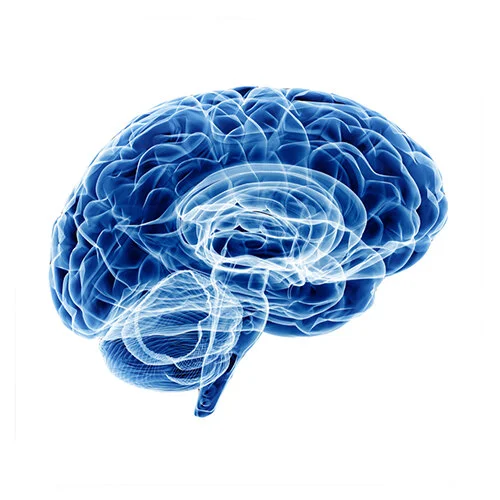
Understanding why extenuating circumstances leave a recorded pattern in human dendritic memory. Such a pattern enables NIS to access a template that is responsible for reseting neurophysiological pathways to re-stabilise human body systems.
While adaptation is essential to accommodate changes in circumstance, the outcome has the potential to create symptom patterns. It is these patterns that are misleading and frequently distract the practitioner from establishing primary cause and applying essential corrective measures.
Module 3: Relationship of the Sutures and Dendritic Contacts
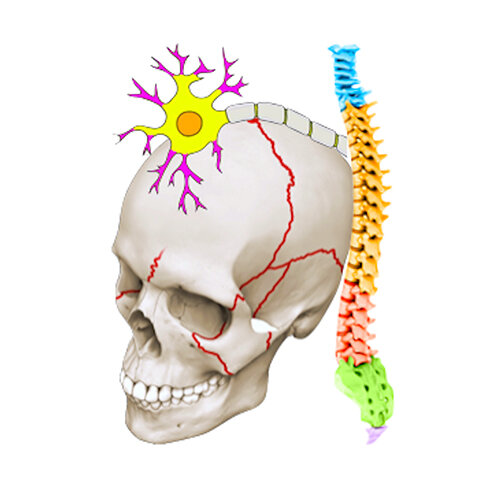
This module is to elaborate detail about dendritic contacts, their relationship to function, and the application of these principles in practice.
Structures
The protocol reveals the discerning ability of the brain to determine which spinal segment is primary to the integrity of the entire spine.
Module 4: Reciprocity
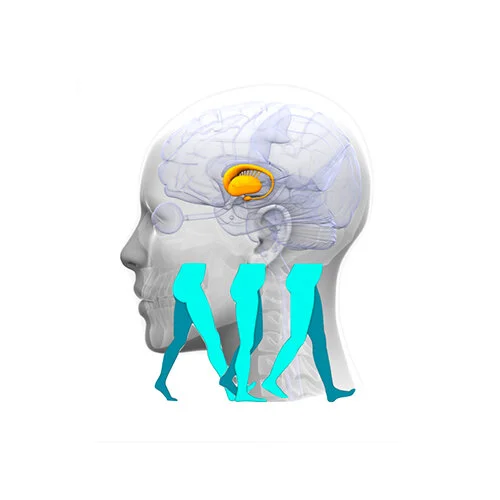
Injury, and concussion, can result in the confusion of the automated gait systems. In sporting circles the description of a ‘pulled muscle’ is implying the muscle is at fault. A frequent finding is in fact a dysfunction within the reciprocal gait system, and requires specific correction.
Thalamus Gait Integration
During left gait function, the sensory input signals can fail to activate with right thalamic control - (the converse applies). Disorganisation at this level is mentally tiresome and confusing until corrected.
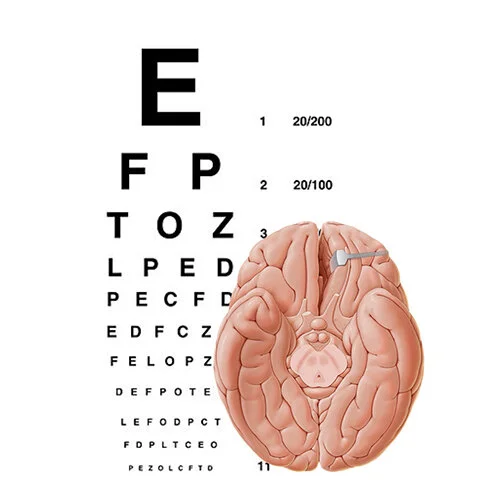
Module 5: Vision
The correction for refractory errors of myopia, hyperopia and astigmatism. Research has indicated that dendritic memory is pivotal to resetting the potential of all visual platforms.
Cranial Nerves
Vital for vision, employing 4 cranial nerves. Obviously, cranial nerves are not only for vision, but are the adaptive mechanism to integrate both sensory and motor input. A common failure to achieve this is to maintain a visual perspective concurrent with verbalisation. This introduces another level of priority, additional to hemispheric integration.
Module 6: Retained Reflexes
These confounding and compromising conditions are frequently deemed to be accepted as part of life. When challenged, the physiological disabilities are blatantly clear, and more importantly, reversible with definitive corrective procedures.
Hemispheric Integration
This NIS correction restores ones inability to amalgamate historic memory with current events. When untreated, this leads to limitations of confidence, in conversation, in debate, and learning, and being able to share those special and unique gifts of each individual.
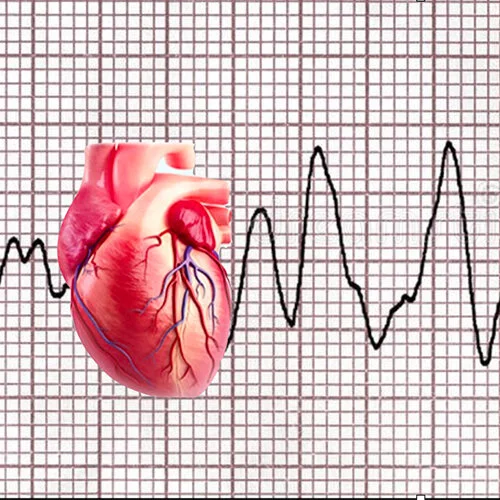
Module 7: Arrhythmias
Linked to both neurological and physiological disruption by virtue of excessive intolerance. This is not to be categorised with congenital difficulties.
Immediate benefits are derived from NIS corrections to impediments existing to both the ‘electrical’ physiology of the cardiovascular system, and associated muscle weaknesses pertaining to each arrhythmic category.
Module 8: Haemochromatosis
The control and reduction of excess Iron levels in the blood stream.
Gluten Intolerance
Genetic variants associated to celiac disease create a susceptibility to a protein found in wheat, rye and barley. The NIS protocol has determined that the brain will recognise the ‘foreign’ protein initiated by the persistent repercussion from gluten. This In turn, will trigger the antibody sequence necessary to control and regulate the digestive process involving gluten foods.
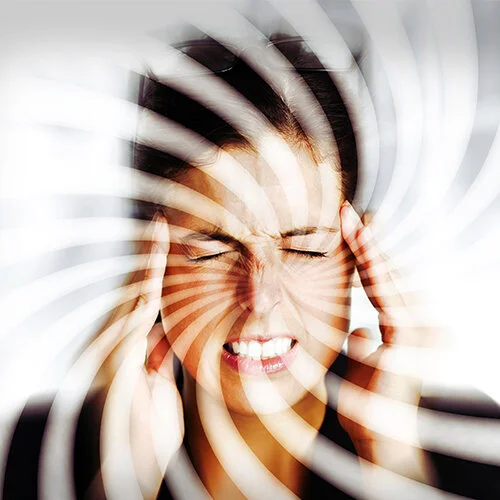
Module 9: Benign Paroxysmal Positional Vertigo (BPPV)
Is correctable without the necessity to continually apply disconcerting manual procedures, such as the Epley manoeuvre.
Fibroids
The brain’s discernment between normal stem cells and the irregular fibrous tissues of fibroids, enables a reversion of the growths to be implemented.
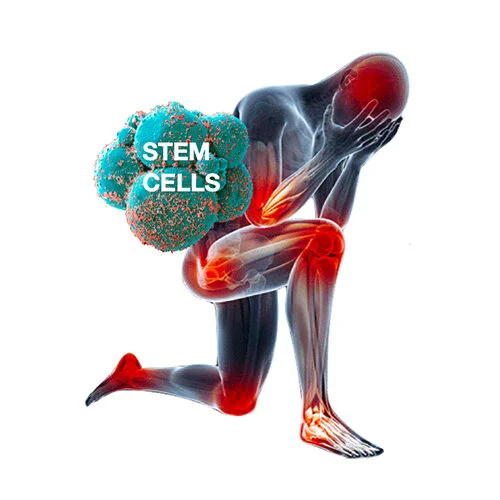
Module 10: Stem Cells
Normality in human cells relies on the continual process of stem cell renewal.
Any failure that would prevent this process from continuing, will leave a functional deficit in the involved gland. The employment of this protocol has proved vital to prevent exposure to a weakened immunity.
Inflammation
Emphasis in scientific circles implies that uncontrolled inflammation is the start of a cascade sequence leading to DNA damage, cell mutations and cancer.
NIS advancement to understand and correct causation, has been invaluable.
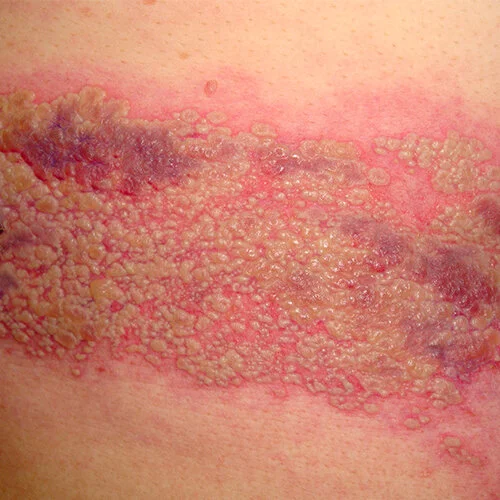
Module 11: Infections
This is the NIS triage department assessing 4 levels of aetiology.
Bacterial infections
Viral Incubation
Viral infections
Retroviruses.
The culmination of NIS case testing and review, has proved to display exceptional illustrations of neurological perception involving extreme pathology.